Cheese: A Playful Font for Creative Projects
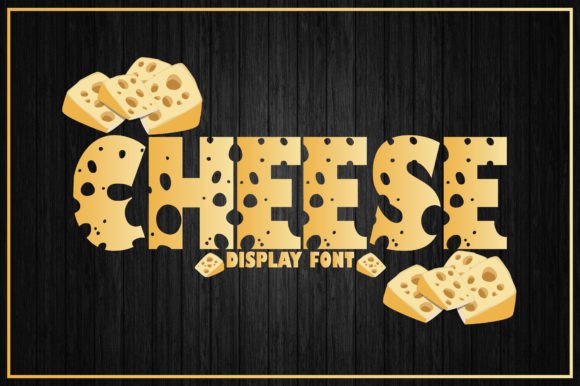
In the vast landscape of digital typography, finding a typeface that conveys personality without sacrificing clarity can be a challenge. Cheese is a fun and cute display font that immediately injects warmth and approachability into any visual composition. It is perfectly suitable for any design or crafty idea, offering a distinct voice that stands out in a crowded marketplace. Add it confidently to your projects and you will love the results, as its charming aesthetic provides a fresh alternative to more sterile, corporate typefaces.
The Role of Personality in Modern Typography
Effective graphic design relies on a harmonious balance between form and function. While a font must be legible, its emotional resonance is equally critical for visual communication. A typeface like Cheese serves a specific purpose in the designer's toolkit: it humanizes a brand, creates an immediate emotional connection with the viewer, and breaks the monotony of standard sans-serifs. In an era where user experience (UX) and brand authenticity are paramount, selecting a font with character can significantly influence how a message is received and remembered.
Practical Applications for Distinctive Type
The versatility of a display font extends across various mediums, from digital interfaces to physical merchandise. Understanding where to deploy a typeface like Cheese ensures it enhances rather than distracts from the core message. Its playful nature makes it particularly effective in contexts where engagement and relatability are key design goals.
- Branding and Logo Design: For startups, lifestyle brands, or artisanal products, this font can form the cornerstone of a memorable visual identity.
- Social Media Content: It captures attention in fast-scrolling environments, ideal for quotes, announcements, and engaging graphics on platforms like Instagram or TikTok.
- Packaging Design: It adds a handmade, organic feel to product labels, particularly in the food, beauty, or craft industries.
- Editorial and Web Design: Used sparingly for headers or pull quotes, it can break up dense text and improve the overall reading experience.
- Digital Marketing: From email headers to landing page call-to-actions, it helps in creating a friendly and inviting user journey.
Integrating Creative Assets into Your Design Workflow
Adopting new creative assets requires a strategic approach to maintain visual hierarchy and consistency. When incorporating a distinctive display font, it is essential to pair it with complementary typefaces. For instance, a highly stylized font like Cheese works best when contrasted with a clean, neutral body text font to ensure readability. Designers must consider the color palette; soft pastels or bold primaries often complement the font's friendly vibe, supporting a cohesive brand identity.
Furthermore, scalability is a crucial technical consideration. A high-quality font file ensures that the letterforms remain crisp whether they are viewed on a mobile screen or printed on a large banner. Before finalizing a design, always test the typography across different devices and mediums to verify that the visual impact remains consistent. This attention to detail in the design workflow separates amateur projects from professional presentations.
Evaluating Quality and Usability
When selecting typography for a project, look beyond the aesthetic appeal. Assess the font's kerning, ligature support, and character set. A well-crafted font will offer flexibility, allowing you to adapt it to various contexts without technical limitations. For designers working on tight deadlines, having reliable assets that render correctly in different software environments—whether for UI design in Figma or print design in Adobe Illustrator—is invaluable.
Ultimately, the goal of graphic design is to solve problems through visual solutions. Whether you are curating design inspiration for a client or building a new digital product, the tools you choose define the outcome. Thoughtful typography selection is not merely about decoration; it is about effective storytelling. By leveraging quality creative assets that align with the project's goals, you can elevate the user experience, strengthen the brand narrative, and ensure your designs leave a lasting impression.